


 Last Updated: November 12, 2026
 Read Time: 16 min

- Rideshare Accident Lawyer Los Angeles, CA

- Types of Rideshare Accident Cases We Handle in Los Angeles
- Why Choose Cohen Injury Law Group as My Rideshare Accident Lawyer in Los Angeles, CA?
- Understanding Rideshare Accident Cases
- Rideshare Accident Statistics in Los Angeles
- What Should I Do Immediately After a Rideshare Accident?
- Los Angeles Rideshare Accident Lawyer FAQs
- Important Resources for Los Angeles Rideshare Accident Cases
- What Our Clients Say
- Additional Resources for Los Angeles Rideshare Accident Cases
- Contact Cohen Injury Law Group
Were you injured in a rideshare accident in Los Angeles, CA?
At Cohen Injury Law Group, we provide a free, confidential case review with a Los Angeles rideshare accident lawyer.
If an Uber driver ran a red light, your Lyft driver rear-ended another car, or a rideshare vehicle struck you near LAX, you may be unsure which insurer should pay your medical bills. One crash can lead to claims under the driver’s auto policy, the rideshare company’s commercial coverage, and another motorist’s insurance.
Cohen Injury Law Group takes cases for Uber and Lyft passengers, rideshare drivers, and others hit by app-based vehicles in Los Angeles. To learn which policies may apply to your crash, request a free review with a Los Angeles, CA rideshare accident lawyer at our firm.
Rideshare Accident Lawyer Los Angeles, CA
A rideshare accident lawyer represents people injured in crashes involving Uber, Lyft, and other app-based ride services. These claims differ from ordinary car accident claims because coverage can depend on whether the driver was logged into the app, traveling to a pickup, or carrying a passenger at the time of the crash.
Los Angeles County recorded 7,335 fatal and injury collisions between 9:00 p.m. and 2:59 a.m. in 2022, according to OTS county crash data. A Los Angeles rideshare accident attorney can obtain trip records that show the driver’s status at the moment of a late-night crash.
Types of Rideshare Accident Cases We Handle in Los Angeles
A rideshare crash can injure the passenger in the back seat, the driver, or someone outside the vehicle. Claims arising from rideshare crashes in Los Angeles fall into the following categories.
- Car accidents. Rideshare drivers frequently stop suddenly, make unexpected turns, or check their phones for ride requests. Occupants of other cars hit by a rideshare vehicle may have claims against the driver and the rideshare company’s insurer.
- Truck accidents. A commercial truck that strikes a rideshare vehicle can cause severe injuries to passengers who had no control over the trip. These claims may involve the trucking company’s insurer as well as the rideshare coverage.
- Motorcycle accidents. A rideshare driver who changes lanes to reach a pickup point may not see a motorcyclist approaching from behind.
- Pedestrian accidents. Drivers searching for a passenger near restaurants, hotels, and venues may fail to notice people in crosswalks. A pedestrian struck during an active trip may be able to recover from the rideshare company’s commercial policy.
- Bicycle accidents. Cyclists are often forced into traffic when a rideshare car pulls into the bike lane to meet a passenger. A cyclist can also be struck by a passenger door that opens into the lane without warning.
- Bus accidents. Rideshare drivers who pull into bus stops to drop off riders can collide with buses merging back into traffic. A claim involving a public transit bus must follow a special claim deadline.
- Scooter accidents. Electric scooter riders share curb lanes with rideshare vehicles that pull over without signaling. A swerving car or opening door gives a scooter rider little time to react.
- Brain injuries. Passengers in the back seat may strike their heads on windows, seatbacks, or door frames, especially if they were not wearing a seat belt on a short trip. Concussions and other brain injuries can affect memory, concentration, and the ability to work.
- Wrongful death. When a rideshare crash takes a life, surviving family members may pursue compensation from every party whose negligence contributed to the death. The available insurance coverage often determines how much the family can recover.
Why Choose Cohen Injury Law Group as My Rideshare Accident Lawyer in Los Angeles, CA?
Close Attention to Every Available Insurance Policy
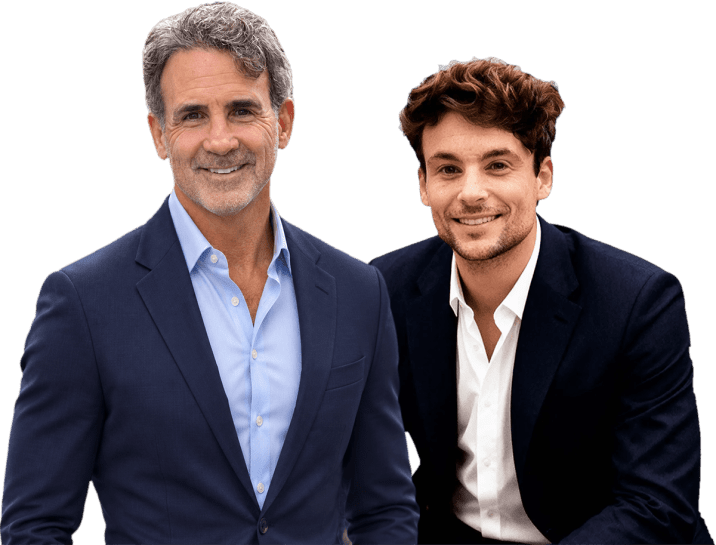
Wayne Cohen began practicing law in 1991, and he has been quoted in national media on coverage questions, including a USA Today article about car rental coverage. Rideshare claims raise similar questions about which policy applies and what each one covers. Our firm handles rideshare cases as part of its work as a personal injury lawyer in Los Angeles, CA, and identifying every available policy is one of the first steps in each case.
A Background in Legal Technology
Rideshare claims often depend on electronic records, including trip logs, GPS data, and the time a driver accepted a ride. Nicholas Cohen developed his background in legal technology while earning his law degree at Loyola Law School Los Angeles. That background helps when requesting and organizing trip data that shows whether a driver was on an active ride.
Understanding Rideshare Accident Cases
Damages, Liability, and Compensation for Rideshare Accident Cases
Every driver, including a rideshare driver, must use ordinary care under Civil Code § 1714. When a rideshare driver’s carelessness causes a crash, the injured person may recover compensation measured under California Civil Code 3333. That compensation can include medical expenses, lost wages, reduced future earning capacity, and property damage. It can also include pain and suffering, which accounts for physical pain, emotional distress, and the loss of normal activities.
Determining liability in a rideshare case can involve more than one driver. A passenger injured when a rideshare vehicle collides with another car may have claims against both drivers. Under California law, each at-fault party pays non-economic damages in proportion to its own share of fault.
What Should You Bring to Your Rideshare Accident Consultation?
The following materials help our attorneys determine which insurance policies apply. Bring copies of anything you have.
- Screenshots of the ride receipt, trip details, and driver information from the Uber or Lyft app show that a trip was in progress.
- A copy of the crash report, or the number officers gave you at the scene, helps us confirm what the police recorded.
- Pictures of the rideshare vehicle, its license plate, and any app decals help connect the car to the trip.
- Emergency room discharge papers, prescriptions, and follow-up appointment notes document your injuries.
- Messages from Uber or Lyft support and notes from any adjuster calls show which insurers are already involved.
A Los Angeles rideshare accident lawyer will use these materials to identify the policies involved. We will tell you whether the rideshare company’s coverage appears to apply to your crash or whether the claim depends on another driver’s insurance.
What Are Important Aspects of a Rideshare Accident Case?
A rideshare accident lawyer in Los Angeles, CA will look closely at several issues that make these claims different from other vehicle claims.
- The driver’s app status at the time of the crash affects which insurance companies must respond and how much coverage is available.
- Uber and Lyft keep electronic trip records that can confirm the time, route, and status of the ride, and those records must be requested promptly.
- Rideshare drivers are typically treated as independent contractors, which affects whether the company itself can be held responsible.
- Passengers rarely share any fault for a crash, which can simplify the liability portion of the claim.
- Several insurers may respond to the same crash, and each one may try to shift responsibility to another policy.
What Is the Rideshare Accident Case Timeline?
Rideshare claims generally progress through the following stages.
- Investigation. We gather the police report, app records, photographs, and witness statements, and we notify each insurer involved.
- Medical treatment. While you recover, we collect records and bills from each provider and document your missed work.
- Demand. Once your doctors can describe your long-term condition, we send a demand to each responsible insurer.
- Negotiation. Insurers review the claim, and many rideshare cases resolve at this stage.
- Litigation. When negotiations stall, we file suit, take depositions, and prepare the case for mediation or a jury trial.
Most Dangerous Locations for Rideshare Accidents in Los Angeles
Rideshare crashes tend to occur where drivers stop, merge, and search for passengers in heavy traffic. The airport and Hollywood are two of the busiest areas for these trips.
Dangerous streets:
- World Way loops through the LAX Central Terminal Area, where construction was expected to reduce curb space by 30 percent, according to LAWA.
- The LAX-it pickup lot sits at the corner of World Way and Sky Way, east of Terminal 1, where all ride app pickups at the airport take place, according to a LAWA announcement.
- Little Century near the LAX-it lot developed traffic chokepoints after the lot opened in 2019, which led the airport to add a separate queueing area for ride app drivers.
- Hollywood Boulevard between Gower Street and Lyman Place recorded more than 50 collisions resulting in serious injury or death since 2010, according to LADOT.
Airport and Hollywood traffic also moves along the following freeways.
Dangerous highways:
- The I-405 (San Diego Freeway) runs along the east side of LAX and is one of the main routes to and from the airport.
- The I-105 (Glenn Anderson Freeway) ends near LAX, and Metro ExpressLanes construction between Sepulveda Boulevard and Central Avenue has affected traffic, according to LAX traffic alerts.
- The US-101 (Hollywood Freeway) carries traffic between the San Fernando Valley, Hollywood, and its downtown interchange with the I-110.
Reach Out to Cohen Injury Law Group to Schedule a Consultation
Contact us to set up a free review of your rideshare claim with a Los Angeles rideshare accident attorney. We can explain how the driver’s app status affects coverage and what steps to take before speaking with any insurer. There is no fee unless we recover compensation, and the consultation carries no obligation to hire our firm.
Rideshare Accident Statistics in Los Angeles
Collisions in Los Angeles County cause an average of 799 deaths and 4,054 serious injuries each year, according to a SCAG safety factsheet. The same factsheet reports that people between the ages of 18 and 34 make up 38 percent of fatal collision victims in the county.
The same OTS data show that Los Angeles County recorded 7,208 hit-and-run collisions resulting in death or injury in 2022. A rideshare passenger hurt by a driver who flees may still have options through the available insurance coverage.
Additional figures from regional and airport sources include the following:
- Los Angeles County averages about 125 collisions per day, or 45,806 per year.
- Ninety-seven percent of collisions in Los Angeles County occur in urban areas.
- Collisions in the county injure an average of 65,299 people each year.
- Moving ride app pickups to the LAX-it lot was expected to remove about 15 percent of all vehicle traffic from the LAX Central Terminal Area.
What Should I Do Immediately After a Rideshare Accident?
The steps you take in the hours and days after a rideshare crash can protect both your health and your claim. If you are able, consider the following actions.
- Call 911 and get medical care. Report the crash and request medical help for anyone who is hurt. Some injuries, such as concussions and internal injuries, do not cause symptoms right away, so an evaluation is important even if you feel fine.
- Take screenshots of the trip. Before the app updates or the ride closes, capture the trip details, the driver’s name, the vehicle information, and the time. These images show that the ride was in progress when the crash occurred.
- Photograph the scene. Take pictures of every vehicle involved, license plates, traffic signals, road conditions, and visible injuries.
- Exchange information. Get the names, phone numbers, and insurance information of every driver involved, including the rideshare driver.
- Identify witnesses. Ask other passengers and bystanders for their names and phone numbers.
- Report the crash in the app. Uber and Lyft both allow riders to report a safety incident through the app.
- Request the police report. Note the officer’s name and the report number, and request a copy once it is available.
- Follow your doctor’s instructions. Attend follow-up appointments and keep records of every treatment, prescription, and medical bill. Gaps in treatment can lead insurers to argue that your injuries are minor.
- Avoid recorded statements. Insurance adjusters for the driver or the rideshare company may call soon after the crash. You are not required to give a recorded statement, and it is generally best to speak with an attorney first.
- Contact a rideshare accident attorney. An attorney can preserve app data, identify every applicable policy, and help you complete the remaining steps after a crash without missing a deadline.
Los Angeles Rideshare Accident Lawyer FAQs
How much does a rideshare accident lawyer in Los Angeles cost?
Cohen Injury Law Group handles rideshare cases under a contingency fee agreement. You pay nothing at the start, and our fee comes from a percentage of the settlement or verdict. The agreement states that percentage before we begin any work on your case. Should the case end without a recovery, no attorney fee is owed. The initial consultation is free, and you can ask about case costs and the fee arrangement during that meeting before deciding whether to hire us.
Who pays for my injuries if I was a passenger in an Uber or Lyft?
As a passenger, you may be able to recover from the rideshare driver’s insurance, the rideshare company’s commercial policy, or the insurance of another driver who caused the crash. When a ride is in progress, the rideshare company’s policy generally applies. If another driver was at fault, that driver’s insurer may also be responsible. A Los Angeles rideshare accident attorney can review the trip records and police report to determine which policies apply and in what order they must pay.
Can I sue Uber or Lyft directly?
Uber and Lyft generally classify their drivers as independent contractors, which can limit claims against the companies themselves. In most cases, compensation comes from the insurance policies the companies maintain for drivers rather than from a lawsuit against the company. Some situations, however, may involve the company’s own conduct. A rideshare accident lawyer in LA can review the facts of your crash and explain whether the company, the driver, or another party may be held responsible.
What if the rideshare driver was not on an active trip?
When a driver is offline, the driver’s personal auto policy is usually the main source of coverage. If the driver was logged into the app and waiting for a request, a more limited level of rideshare coverage may apply. Coverage generally increases once the driver accepts a ride and while a passenger is in the vehicle. Because these details affect the value of a claim, our attorneys request the app records that show the driver’s status at the time of the crash.
What if another driver hit the rideshare vehicle I was riding in?
When another motorist is to blame, the claim typically starts with that motorist’s liability insurer. If the at-fault driver has no insurance or too little coverage, the rideshare company’s coverage may include protection for passengers hurt by an uninsured or underinsured driver. You may also be able to recover from both drivers if each contributed to the crash. A rideshare accident attorney in Los Angeles can identify every policy available to you and the order in which each one must respond.
How long do I have to file a rideshare accident claim in California?
A rideshare injury lawsuit in California usually must be filed no later than two years after the crash. If a city vehicle or a dangerous public road contributed to the crash, a written claim generally must be presented to the public agency within six months. Insurance companies may also set their own notice requirements. Because the deadlines vary, a rideshare accident lawyer in Los Angeles should review your case as soon as possible after the crash so that no filing period is missed.
What if I was partly at fault for the crash?
If you were driving another vehicle and share some fault, you can still recover compensation, but your award is reduced by your percentage of fault. California’s comparative negligence approach applies to rideshare crashes in the same way it applies to other vehicle collisions. Passengers are rarely found at fault, since they have no control over how the vehicle is driven. Our attorneys review the evidence carefully to respond to any argument that you contributed to the crash.
Can a rideshare driver file a claim after a crash?
Yes. A rideshare driver injured by another motorist can bring a claim against the at-fault driver’s insurance. Drivers may also have access to coverage through the rideshare company, depending on their app status and the policies in place. Medical records, app screenshots, and the police report help establish the claim. A Los Angeles rideshare accident lawyer can review every source of compensation available to a driver who was hurt while working, including any coverage tied to the driver’s own auto policy.
Should I accept the first offer from the rideshare company’s insurer?
Waiting until your doctors understand your long-term prognosis is generally the safer course before accepting any offer. Commercial insurers often make early offers before a claimant has finished medical care. Accepting an offer usually requires signing a release that ends your right to seek more compensation. Our attorneys evaluate each offer against your medical records, lost income, and expected future costs before advising you on whether to accept it, and we negotiate with the insurer when an offer falls short.
How long does a rideshare accident case take?
The length of a rideshare case depends mostly on the seriousness of the injuries and the number of insurers involved. A claim with clear fault may resolve within months of finishing treatment, while disputes over the driver’s app status or the need for a lawsuit can extend a case beyond a year. Settling before your long-term medical needs are known can leave future costs uncovered. We discuss a realistic timeline at the start and keep you informed as the case moves forward.
Important Resources for Los Angeles Rideshare Accident Cases
What Are Important California Legal Resources for Rideshare Accident Cases?
These three statutes control how long you have to act and how damages are divided when several parties share fault. Each statute can be read in full on the Legislature’s website.
- California CCP 335.1 establishes a two-year limit for filing most injury lawsuits.
- California Gov. Code 911.2 must be followed before suing a public agency, and it generally requires a written claim within six months.
- Civ. Code § 1431.2 makes each defendant responsible for non-economic damages only in proportion to its share of fault.
What Are Important Local Resources for Los Angeles Rideshare Accident Cases?
Passengers and drivers injured in rideshare crashes may need to file a complaint, obtain a report, or receive emergency care. The agencies and hospitals below can help after a rideshare crash in Los Angeles.
- CPUC Transportation Network Companies: 1-800-649-7570. The California Public Utilities Commission regulates rideshare companies, and its Consumer Affairs Branch accepts complaints about Uber and Lyft.
- CHP West Valley: (747) 373-3000. This CHP office handles traffic responsibilities on freeways and highways across a patrol area of about 400 square miles in the western San Fernando Valley region.
- California Hospital Medical Center: 213-748-2411. This downtown Los Angeles hospital operates a Level II trauma center staffed 24 hours a day.
Cohen Injury Law Group does not endorse and is not affiliated with any organization listed above. This list is provided for informational purposes only.
About Cohen Injury Law Group
Cohen Injury Law Group serves clients in Los Angeles County and Ventura County from offices in downtown Los Angeles, Santa Monica, and Ventura. Before beginning his legal career in 1991, Wayne Cohen boxed in high school and college. Nicholas Cohen began building websites for the family’s law practice at age 12.
What Our Clients Say
★★★★★
“This firm was extremely helpful to me in a time of need, explained things thoroughly, and I would trust them for any accident.”
- Ryan Shonfeld
Read more reviews on our Google Business Profile.
Additional Resources for Los Angeles Rideshare Accident Cases
- Federal Bill Could Limit Rideshare Lawsuits
- What to Do in the First 24 Hours After a Car Accident in California
- Can’t Afford a Lawyer? How Contingency Fees Actually Work
- Common Mistakes That Tank Personal Injury Cases
Contact Cohen Injury Law Group
After a rideshare crash, you may be dealing with injuries, missed work, and several insurance companies at once. Cohen Injury Law Group represents rideshare passengers, drivers, and others injured in crashes throughout Los Angeles on a contingency basis. To schedule a free consultation with a Los Angeles rideshare accident attorney, contact us by phone or online. We will review the trip records and insurance policies involved, explain your options, and outline the next steps in your claim.
Related Links
Office Locations
-
 Santa Monica
2636 Lincoln Blvd
Santa Monica, CA 90405 - Santa Monica – Broadway
520 Broadway, 2nd Floor
Santa Monica, CA 90401 - Los Angeles
633 W 5th St, Unit 2876A
Los Angeles, CA 90071 - Ventura
394 E Main St, Suite 302
Ventura, CA 93001
