
















 Last Updated: September 29, 2026
 Read Time: 8 min

Were you injured in a rideshare accident in West Hollywood, CA?
At Cohen Injury Law Group, we represent passengers hurt at every stage of a rideshare trip, from the curb through the drop-off.
If you were injured during an Uber or Lyft trip, the point at which it happened determines which insurance answers. A passenger struck while waiting at the curb, one hurt stepping into the vehicle, and one injured in a collision are covered under different arrangements. A West Hollywood, CA rideshare accident lawyer at our firm identifies the applicable policy before any adjuster frames the question. Contact us and we will begin that review at no charge.
Rideshare Accident Lawyer West Hollywood, CA
A rideshare accident claim covers any injury connected to a trip arranged through Uber, Lyft, or a comparable platform. California negligence law governs it like any other collision. What sets these claims apart is that the available coverage shifts depending on what the driver was doing at the moment of injury, and that record belongs to the platform rather than to you.
The city has organized the curb around this. West Hollywood operates The Drop, a program that designates twelve curb zones for rideshare pickups between 6:00 p.m. and 3:00 a.m. in the highest-volume nightlife corridors.
Those zones concentrate stopping, loading, and passenger movement into specific blocks during the hours when the streets are busiest. A West Hollywood rideshare accident lawyer starts an investigation by determining whether the vehicle was inside one of them.
Types of Rideshare Accident Cases We Handle in West Hollywood
The point in the trip at which an injury occurs determines both the responsible party and the policy that answers. Our West Hollywood rideshare accident lawyers organize these claims on that basis.
- Injuries at the pickup point. Passengers waiting at a curb zone are struck by passing vehicles, by cyclists, and by drivers pulling in and out. The claim may run against a motorist rather than the platform.
- Boarding and exiting the vehicle. Doors opened into traffic, drivers stopping in a travel lane, and passengers stepping out on the street side produce injuries the platform frequently disputes as outside the ride.
- Collisions during the trip. A passenger injured while the ride is underway occupies the strongest coverage position available, since the platform’s commercial policy is active from pickup through drop-off.
- Drivers waiting for a request. A driver logged into the app but not yet matched carries different coverage than one en route, and that distinction determines what a claimant can recover.
- Wrong-address drop-offs. A passenger left at an incorrect location late at night, particularly one who is impaired or unfamiliar with the area, has a claim where the resulting harm was foreseeable.
- Pedestrian accidents. Drivers scanning for an address rather than the road strike people crossing between parked cars in areas where passengers congregate.
- Bike accidents. A vehicle stopping in a bike lane forces riders into traffic, and a passenger opening a door without checking causes the same result.
- Scooter accidents. Riders approaching a stopped vehicle have no warning that a door is about to open or that the car is about to pull away from the curb.
- Car accidents. Fault is established exactly as it would be in any two-vehicle collision. The difference is that a commercial policy sits above the driver’s own, which changes what the claim can recover.
- Truck accidents. Delivery vehicles and rideshare cars compete for the same curb space in the evening, and a collision between them brings a commercial carrier into the claim.
- Slip and falls. A passenger who falls on a wet sidewalk or a broken curb while walking to a pickup point may hold a claim against the adjacent property owner.
- Brain injuries. Unbelted rear-seat passengers strike the seatback or the door frame, and delayed symptoms are the norm rather than the exception.
- Wrongful death. A fatal collision creates a cause of action held by the decedent’s closest relatives and litigated separately from the estate’s.
Why Choose Cohen Injury Law Group as my Rideshare Accident Lawyer in West Hollywood, CA?
When You Do Not Own a Car
A substantial share of the passengers a rideshare accident attorney in West Hollywood, CA represents do not own a vehicle, which means no personal auto policy exists to fall back on. Where the at-fault driver is underinsured, that absence can determine whether the claim recovers anything at all.
Our West Hollywood rideshare accident attorneys look past the obvious policy. A resident relative’s coverage frequently extends to you, the platform’s uninsured motorist provisions may apply, and health coverage through an employer or an exchange plan affects what you ultimately keep. The Department of Insurance publishes what carriers owe in these situations, and a personal injury lawyer in West Hollywood, CA should identify every one of those sources before valuing the claim.
When a Venue Served the Driver
California permits recovery against a business that served alcohol only in narrow circumstances, and those circumstances are worth examining in any late-night collision involving an impaired driver.
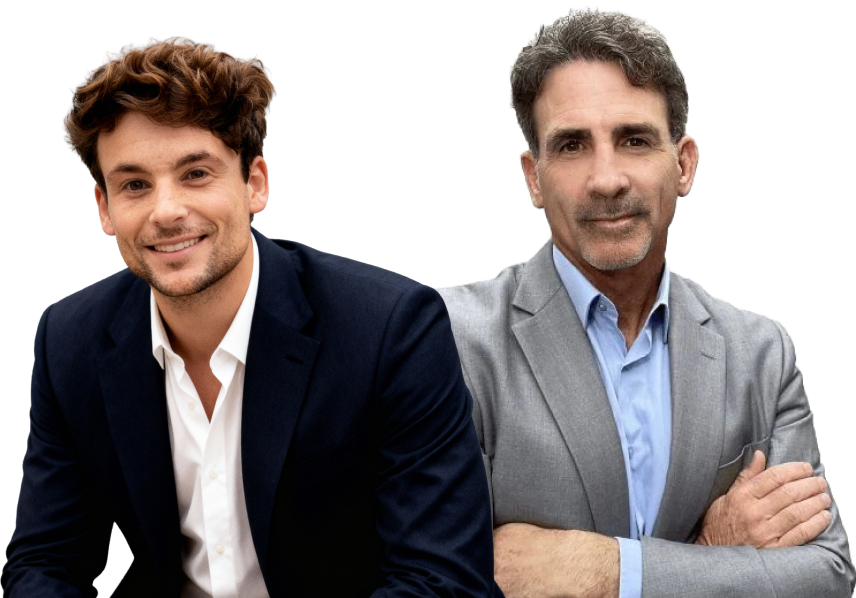
Establishing it requires service records, card transactions, and security footage from the venue, all of which are retained briefly. Wayne R. Cohen, in practice since 1991 and a cum laude graduate of the University of Miami, evaluates that avenue at intake rather than after the driver’s policy limits prove inadequate. The firm’s operations are the responsibility of Managing Partner Nicholas E. Cohen. No cost reaches the client during the case, and our fee comes only from a recovery.
What Is Important to Understand About a Rideshare Accident Case?
Damages, Liability, and Compensation for Rideshare Accident Cases
Liability follows ordinary negligence, and proving it is rarely the difficult part of a rideshare claim. Establishing fault only opens the question of which insurer pays, because the California Public Utilities Commission requires different coverage depending on the phase of the trip.
Recovery reaches four categories.
- Medical treatment. Passengers in rear seats absorb impact without the protection a front-seat occupant has, and the resulting treatment runs from the ambulance through whatever surgery and therapy follow.
- Wages and future earnings. Time away from work is recoverable, together with any lasting reduction in what the injured person is able to earn.
- Human losses. Pain, permanent scarring, and the reluctance many passengers feel about riding afterward are each recoverable.
- Family losses. A fatal collision entitles close relatives to recover what the decedent would have contributed to the household.
Comparative fault reduces an award in proportion to the responsibility assigned and does not bar recovery.
What Are Important Aspects of a Rideshare Accident Case?
The evidence that determines coverage belongs to a technology company rather than to anyone at the scene, and a West Hollywood, CA rideshare accident lawyer has to demand it in writing.
- The trip record showing the driver’s app status, route, and the exact moment the ride ended is the pivotal document, and it is not produced without a written demand
- Retention schedules are set by the companies themselves, which makes a written preservation demand an early priority
- Several carriers are typically in the picture at once, and each benefits from describing the driver’s status differently
- Curb zone hours matter, because a vehicle stopped outside a designated area during those hours may be violating the terms under which it was operating
- Signal timing and street lighting are the City’s responsibility, and naming a public agency triggers a filing deadline far shorter than the one set out in the court’s guidance
What Is The Rideshare Accident Case Timeline?
The opening weeks are devoted to records that expire. A written demand goes to the platform for the trip record, the collision report is pulled, and businesses facing the curb are canvassed for video.
How long the case runs depends on how long the treatment lasts. Valuing the claim requires knowing which limitations will persist, and for orthopedic and head injuries that determination rarely comes before the fourth month.
Negotiation follows, and most claims against an individual driver resolve at that stage. Where the platform contests which phase of the trip was active, or where a venue has been named as a defendant, we file and proceed through depositions and mediation.
What Should You Bring to Your Rideshare Accident Consultation?
Most of what a West Hollywood rideshare accident attorney needs is already stored on your phone, and it should be captured before the account history is overwritten.
- A screenshot of the trip in the application, showing the driver, the route, and the end time
- The name of the police agency that responded and its case number
- Anything you photographed at the scene, including the curb zone and the vehicles
- Card statements or receipts from the venues you visited that evening
- Treatment notes and billing from each provider seen since the collision
Where alcohol was involved on the driver’s side, those receipts matter more than clients expect, since they help identify which venue served him and over what period. Reviewing the common early mistakes is worthwhile before speaking with any carrier.
Reach Out to Cohen Injury Law Group to Schedule a Consultation
Trip data, curb footage, and venue records all expire on short schedules, and none of them can be recreated afterward. A West Hollywood rideshare accident attorney can request all three while they remain available. There is no charge for the review, and our fee is drawn from the recovery alone. We will identify which policy applies to the moment you were injured and explain what the platform is likely to argue. Contact us to have those demands sent.
Office Locations
-
 Santa Monica

2636 Lincoln Blvd
Santa Monica, CA 90405 -
Santa Monica – Broadway
520 Broadway, 2nd Floor
Santa Monica, CA 90401 -
Los Angeles
633 W 5th St, Unit 2876A
Los Angeles, CA 90071 -
Ventura
394 E Main St, Suite 302
Ventura, CA 93001
