
Injury & Accident Lawyers
Fault Shares Decide Who Pays for Pain
Written/Reviewed by:
Cohen Injury Law Group, P.C.
Last Updated: October 20, 2026
 October 21, 2026
 Read Time: 3 min

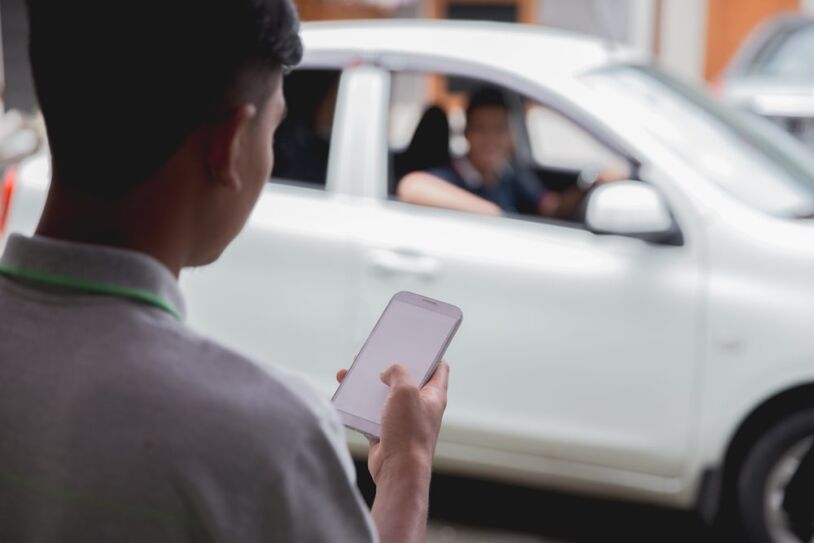
A crash involving an Uber or Lyft in Long Beach often involves more than two parties. There may be the rideshare driver, another motorist, and sometimes a business or agency that contributed to the hazard. California has a specific rule for dividing one part of the damages among them, and it changes who ends up paying for pain.
Two Kinds of Damages Follow Different Rules
Under Civil Code section 1431.2, each defendant’s liability for noneconomic damages is several only and not joint. Each one pays only the amount of noneconomic damages allocated to it, in direct proportion to its percentage of fault.
Economic damages are treated differently. The statute defines them as objectively verifiable monetary losses, including medical expenses, lost earnings, and burial costs, and the several-only rule is aimed at noneconomic damages.
How the Split Works After a Rideshare Crash
Noneconomic damages cover things like pain and emotional distress. For example, if a jury put the total at $100,000 and found the rideshare driver 30 percent at fault and a second driver 70 percent at fault, the rideshare driver’s share would be $30,000 and the second driver’s would be $70,000.
The practical effect is that an uncollectible defendant can leave a gap. If the party with the larger share has little insurance and few assets, the injured person can’t simply collect that share from someone else. That risk is why a Long Beach rideshare accident lawyer checks every available policy early.
Why the Fault Percentages Matter So Much
Every percentage point shifts real money, so each side argues for a smaller share. Common targets include:
- A rideshare driver who was distracted by the app
- A second motorist who ran a signal or followed too closely
- A property owner or agency whose design blocked sightlines
- A vehicle owner who let an unsafe car on the road
An injured person’s own share of fault matters too. Under California comparative negligence rules, that share can reduce the final recovery.
Evidence From the App Can Settle the Argument
Rideshare crashes leave a digital trail that ordinary collisions lack. Trip records, GPS data, and driver status can show where the vehicle was and what the driver was doing. That record can disappear when no one asks for it, which is why preserving rideshare app data belongs on the early to-do list.
Insurance structure is the other piece. Coverage can change depending on whether the app was on and whether a passenger was in the car, which is the core of rideshare liability in these cases.
Shared Fault Is Common in Multi-Vehicle Crashes
When several vehicles collide, fault can spread across more people than anyone expects. Some injured people turn to a Long Beach car accident lawyer to examine the full set of drivers, vehicles, and policies before any one share is accepted.
Insurers may push an injured person to accept a high percentage of the blame early. A written explanation of where the numbers came from is a fair thing to ask for. Never accept a share without seeing the reasoning.
Putting a Value on Each Share
A realistic review starts with the medical records and wage loss, then moves to the pain and suffering and life changes that sit in the non-economic column. Because that column is divided by fault, an accurate fault picture can affect the total just as much as the injury does.
At Cohen Injury Law Group, Wayne R. Cohen has practiced law since 1991 and has taught at Pepperdine School of Law. Fault disputes like these are where our trial experience matters, since the percentages can decide how much of a verdict is actually collected.
Settlement talks can hide these percentages behind a single number. Anyone hurt in a Long Beach rideshare crash who isn’t sure how fault might be divided can reach out to us, and we’ll go through the policies and evidence together before any offer is accepted.
Calling us is
always free.
FREE Case Evaluation - 1 Free Evaluation
- 2 We Build Your Case
- 3 Financial & Emotional Recovery
Office Locations
-
 Santa Monica

2636 Lincoln Blvd
Santa Monica, CA 90405 - Santa Monica – Broadway
520 Broadway, 2nd Floor
Santa Monica, CA 90401 - Los Angeles
633 W 5th St, Unit 2876A
Los Angeles, CA 90071 - Ventura
394 E Main St, Suite 302
Ventura, CA 93001
Schedule your no-cost consultation.
