














 Last Updated: August 17, 2026
 Read Time: 8 min

Were you injured in a motorcycle crash in Fillmore, CA?
At Cohen Injury Law Group, we build the record that shows a rider was not the one at fault.
If a driver injured you while you were riding a motorcycle in Fillmore, CA, you may sense the assumption working against you: that a rider on two wheels must have been speeding, weaving, or taking a risk. That bias can shape how an insurer treats your claim before the facts are even in. A Fillmore, CA motorcycle accident lawyer at our firm can gather the evidence that tells the real story and pursue the compensation you are owed. Our founding attorney has represented injured plaintiffs on the plaintiff side since 1991, and there is no cost to begin. Reach out to tell us what happened.
Motorcycle Accident Lawyer Fillmore, CA
A motorcyclist has no metal cage, no airbags, and no seatbelt, so when a collision happens, the rider absorbs the force directly. That is why the injuries tend to be severe and why the stakes in these cases run high. According to NHTSA data, per mile traveled in 2023 motorcyclists died at roughly 28 times the rate of passenger-vehicle occupants. On the rural roads around Fillmore and the stretch of Highway 126 that carries traffic through the valley, a rider who is following the law is still exposed to every mistake another driver makes, and to the freight trucks that share the corridor.
The legal challenge is separate from the physical one. Riders face a persistent presumption of fault, and insurers lean on it to reduce or deny claims. Overcoming that presumption takes evidence: the position of the vehicles, the sightlines at the point of impact, and the accounts of people who saw the driver, not the rider, cause the crash.
Types of Motorcycle Accident Cases We Handle in Fillmore
Most serious motorcycle crashes trace back to a driver who failed to see or yield to the rider. Our firm handles the following types of motorcycle accident cases in Fillmore, CA.
- Left-turn collisions. The most common and most dangerous motorcycle crash happens when a driver turns left across a rider’s path, often claiming afterward that they never saw the motorcycle. CDC research identifies driver behavior as a major factor in motorcyclist deaths, and establishing the rider’s right of way is central to these cases.
- Lane-change and blind-spot crashes. A driver who changes lanes without checking for a motorcycle can force a rider off the road or into a direct collision. These cases turn on the driver’s failure to look, not the rider’s position, and the driver’s account often shifts once the evidence comes in.
- Car accidents. A driver who runs a light or a stop sign at an intersection can strike a rider who had every right to proceed. Signal timing and witness accounts often decide fault.
- Truck accidents. A rider caught in a commercial truck’s blind spot or struck during a wide turn has almost no protection from the force involved, and these collisions are among the deadliest a motorcyclist can face.
- Rear-end crashes. A rider stopped or slowing in traffic can be struck from behind by a driver who was not paying attention, with the rider taking the full force of the impact.
- Road-hazard crashes. Potholes, gravel, uneven pavement, and debris that a car would shrug off can throw a motorcycle. When a public entity failed to maintain a dangerous road it was responsible for, that entity may share liability, though claims against a government body carry shorter deadlines.
- Brain injuries. Even with a helmet, a rider thrown from a motorcycle can suffer a traumatic brain injury, an outcome whose effects and costs can last for years. NHTSA reports that helmets substantially reduce the risk of fatal head injury, but they cannot prevent every one.
- Wrongful death. When a motorcycle crash takes a rider’s life, the surviving family may bring a claim against the driver responsible.
Why Choose Cohen Injury Law Group as My Motorcycle Accident Lawyer in Fillmore, CA?
Pushing Back on the Assumption the Rider Was at Fault
The bias against riders is real, and a motorcycle case has to be built to overcome it. We do not let the insurer’s narrative stand unchallenged. We document the driver’s conduct, reconstruct the crash from the physical evidence, secure independent witness accounts, and, where helmet use or protective gear becomes an issue, address it head-on rather than letting it quietly reduce the claim. The goal is a record that leaves no room for the easy assumption that the rider brought it on themselves.
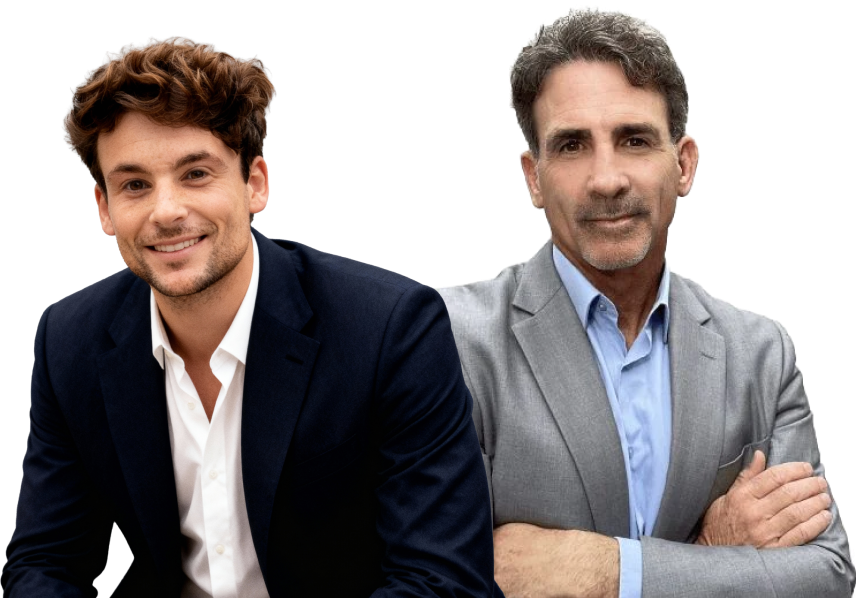
The firm’s founder, Wayne Cohen, has represented injured people on the plaintiff side since 1991 and has recovered millions of dollars for his clients. He earned his law degree cum laude from the University of Miami School of Law and has taught trial advocacy at GW Law School since 1993.
Countering the presumption against a rider depends on independent proof, and the sources that supply it are scattered and short-lived: a business camera facing the intersection, a driver who stopped to help, the marks on the roadway before weather erases them. Reaching those sources early falls to Nicholas Cohen, the firm’s managing partner, who attended USC and earned his law degree from Loyola Law School Los Angeles.
A personal injury lawyer in Fillmore, CA at our firm prepares a motorcycle case knowing a jury may need to be shown, not just told, that the driver was to blame.
What Is Important to Understand About a Motorcycle Accident Case?
Damages, Liability, and Compensation for Motorcycle Accident Cases
The injuries in a motorcycle crash are often catastrophic, and the compensation should reflect their full weight. Economic damages cover emergency care, surgery, hospitalization, rehabilitation, medication, assistive devices, and both current and future lost income when the injuries keep a rider from working. Road rash, fractures, spinal injuries, and head trauma frequently require care that extends well past the initial treatment.
Noneconomic damages account for the pain, the emotional toll, and the loss of the activities and independence the injury takes away. Liability rests on proving the driver failed to exercise reasonable care, whether by turning across the rider’s path, failing to yield, or driving distracted. California applies a comparative fault rule, so even a rider found partly responsible can recover a reduced amount when the driver shares the blame. When a crash proves fatal, the family may bring a claim for their losses.
What Are Important Aspects of a Motorcycle Accident Case?
Motorcycle claims carry features that set them apart from other collision cases:
- Rider bias must be confronted directly. Insurers and juries can arrive with assumptions about motorcyclists, and the case has to be built to counter them with evidence rather than argument.
- California requires helmets for all riders. Whether a helmet was worn can become an issue in the claim, and California law mandates helmet use, though a driver’s negligence remains the cause of a crash regardless.
- The injuries are disproportionate to the crash. A collision that would leave a car’s occupants shaken can leave a rider with life-altering injuries, and the medical picture drives the value of the claim.
- Fault often hinges on right of way. Many motorcycle crashes come down to whether the driver yielded, making witness accounts and the physical evidence decisive.
What Is the Motorcycle Accident Case Timeline?
Every motorcycle case moves at its own pace, shaped by the severity of the injuries and whether the driver’s insurer accepts responsibility. In general, the case moves through these stages:
- Medical treatment comes first and continues until a doctor determines the injuries have stabilized, which is when the full value of the claim becomes clear.
- We investigate the crash, gathering the collision report, photographs, the physical evidence from both vehicles, and the accounts of witnesses.
- We file the claim with the driver’s insurer and identify any additional sources of coverage, including the rider’s own policy.
- We negotiate from the documented evidence of the driver’s fault and the full extent of the losses, and press for a fair settlement.
- If the insurer will not offer what the claim is worth, we are prepared to file suit and try the case.
The California statute of limitations gives an injured rider two years from the date of the crash to file suit, though a claim against a public entity for a dangerous road condition can require action within six months.
What Should You Bring to Your Motorcycle Accident Consultation?
You do not need to gather everything before reaching out, but the following helps us evaluate the claim:
- The traffic collision report or the report number from the responding agency
- Medical records and bills from the treatment you have received
- Photographs of the motorcycle, the other vehicle, the scene, and your injuries
- Your helmet and riding gear, which can document what protection you were using
- Names and contact information for anyone who witnessed the crash
We will review what you have and give you a straightforward assessment of your options, including how strong the evidence of the driver’s fault is and what the claim may be worth.
Reach Out to Cohen Injury Law Group to Schedule a Consultation
Our attorneys can investigate how your motorcycle crash happened, establish the driver’s fault, and pursue the compensation your injuries warrant. If a driver injured you while riding in Fillmore, CA, you pay nothing unless we recover for you. When you are ready to talk it through, contact us to set up a case review.
Office Locations
-
 Santa Monica

2636 Lincoln Blvd
Santa Monica, CA 90405 -
Santa Monica – Broadway
520 Broadway, 2nd Floor
Santa Monica, CA 90401 -
Los Angeles
633 W 5th St, Unit 2876A
Los Angeles, CA 90071 -
Ventura
394 E Main St, Suite 302
Ventura, CA 93001
