
















 Last Updated: August 4, 2026
 Read Time: 9 min

-
Premises Liability Lawyer Inglewood, CA

-
Types of Premises Liability Cases We Handle in Inglewood
-
Inglewood Premises Liability Lawyer
-
Why Choose Cohen Injury Law Group for Premises Liability in Inglewood, CA?
-
Understanding Premises Liability Cases
-
What Are Some Important California Legal Resources for Premises Liability Cases?
Summary
This page explains how Cohen Injury Law Group represents individuals injured on unsafe properties in Inglewood, CA, covering hazards like negligent security, pool accidents, elevator malfunctions, and toxic exposures, along with the notice requirements and duty-of-care standards central to these claims. It also outlines recoverable damages, the case timeline from treatment through litigation, and what to bring to a consultation.
Premises liability lawyers whose attorneys bring both legal advocacy and business acumen to every case the firm handles.
Property owners and businesses in California owe a duty of reasonable care to people who enter their premises. When that duty is breached, the injured party may recover from the owner, the manager, the tenant, or any combination of parties responsible for the dangerous condition. Our attorney has represented injured clients in premises liability matters since 1991. An Inglewood, CA personal injury lawyer experienced with these claims can preserve the evidence the case requires, frame the duty owed under the right legal standard, and present the claim in a way that anticipates the defenses property-side insurers commonly raise.
Premises Liability Lawyer Inglewood, CA
A premises liability attorney handles claims arising from unsafe property conditions, addressing the elements that distinguish these matters from other negligence claims. Those elements include defining the scope of the owner’s duty to the injured person, proving the dangerous condition existed, establishing actual or constructive notice of the hazard, and connecting the condition to the resulting injuries through medical and physical evidence.
Premises liability cases in California proceed as negligence claims. The injured party must prove duty, breach, causation, and damages. Most matters resolve through negotiation with the property owner’s insurance carrier once notice and damages are documented. Contested cases involving disputed conditions, complex security questions, or severe injuries frequently proceed into litigation.
Types of Premises Liability Cases We Handle in Inglewood
Premises liability claims arise on a wide range of properties throughout Inglewood, from residences and apartment complexes to retail stores, restaurants, parking lots, hotels, schools, hospitals, and government buildings. Many of these matters overlap with slip and fall claims as one subset of broader premises liability law.
- Negligent security incidents. Property owners and businesses must take reasonable steps to protect visitors from foreseeable criminal acts. Inadequate lighting, broken locks, absent security personnel, and failure to address prior incidents at the property support liability when an assault, robbery, or other criminal harm follows.
- Swimming pool and spa accidents. Pool owners face heightened obligations regarding fencing, supervision, drain covers, and chemical management. Drownings and near-drownings, particularly involving children, often produce catastrophic-injury claims.
- Elevator and escalator incidents. Mechanical failures, sudden stops, missing maintenance records, and entrapment incidents produce serious injury claims against property owners and maintenance contractors.
- Inadequate maintenance. Failures to repair, inspect, or address known hazards form the foundation of most premises liability claims. Maintenance records and inspection logs are central evidence in these matters.
- Fire and electrical hazards. Faulty wiring, missing smoke detectors, blocked exits, and similar conditions cause severe burn injuries, smoke inhalation, and fatalities. Building code violations strengthen liability.
- Toxic exposures. Lead paint, asbestos, mold, carbon monoxide, and other harmful substances on rental property create liability for landlords and property managers who failed to address known risks.
- Falling object injuries. Improperly stacked merchandise in retail settings, unsecured fixtures, and falling debris from construction or maintenance produce serious head and body injuries.
- Dog bites. Attacks occurring on a third-party property may produce claims against both the animal owner and the property owner where premises-related negligence contributed.
- Apartment and rental property hazards. Multi-unit residential properties carry distinct landlord duties regarding common areas, security, and habitability. Tenant injuries often involve overlapping theories.
- Hotel and short-term rental incidents. Visitors to hotels, motels, and short-term rentals are owed a high duty of care, and the operator’s policies, training, and prior incident history are commonly central to the claim.
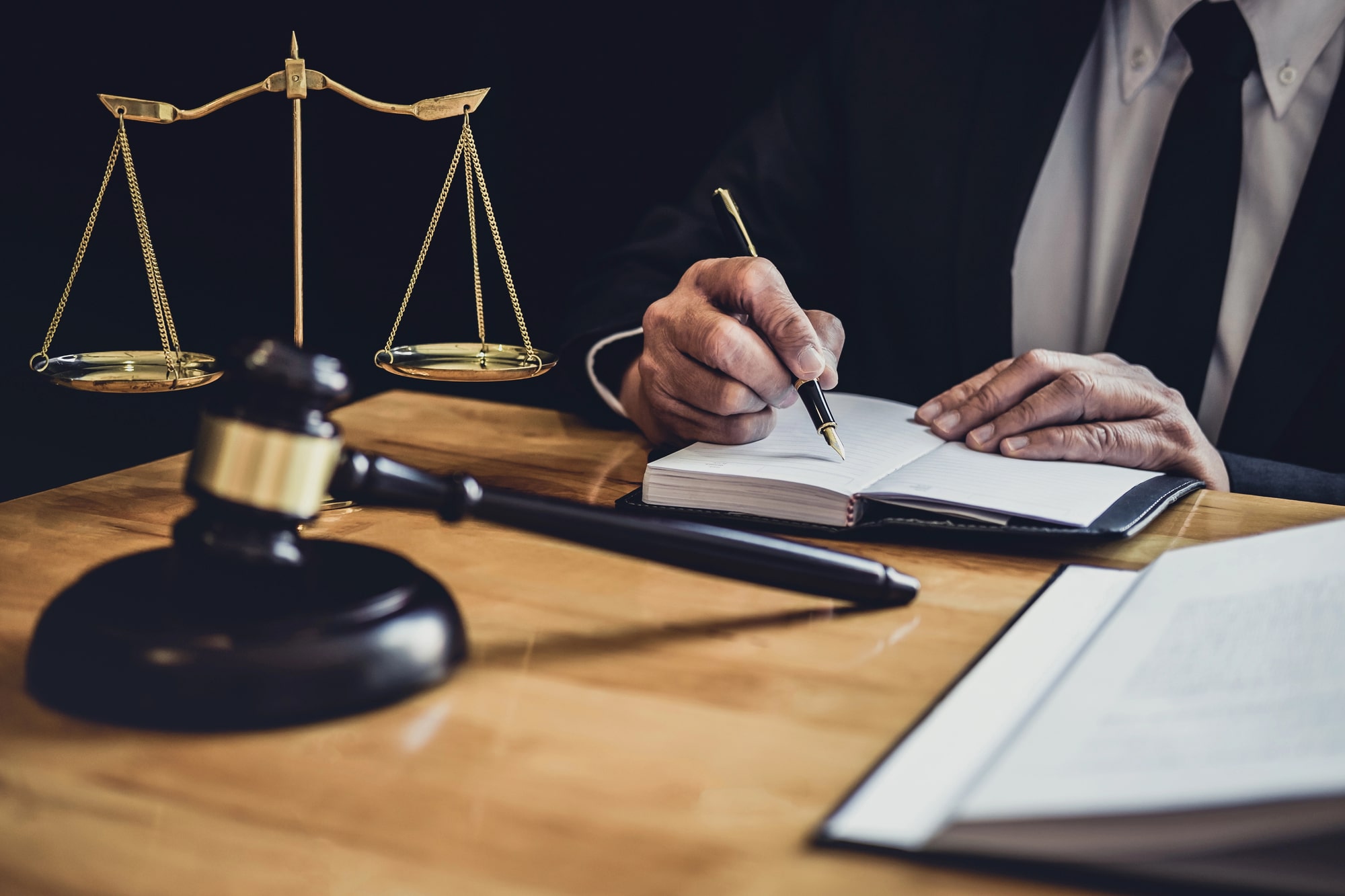
Inglewood Premises Liability Lawyer
35+ Years of Experience
Why Choose Cohen Injury Law Group for Premises Liability in Inglewood, CA?
Managing Partner Focused on Complex-Liability Cases
Our managing partner, Nicholas E. Cohen, oversees firm operations and serious-injury matters across Southern California. He completed his undergraduate studies at USC and earned his Juris Doctor at Loyola Law School in Los Angeles. His combined legal and business background proves particularly useful in premises liability cases, which often pit injured parties against well-resourced commercial defendants and their insurance carriers.
Our founder, Wayne R. Cohen, is recognized as one of the country’s leading personal injury trial attorneys. He completed undergraduate work at the University of Michigan with distinction and earned his law degree cum laude from the Miami School of Law. His commentary has appeared in Fortune, Newsweek, the LA Times, and the ABA Journal on subjects including consumer rights, mandatory arbitration, and high-profile civil litigation. He maintains a Professorial Lectureship at the George Washington Law School alongside his ongoing trial practice.
Premises liability cases reward methodical investigation and a willingness to confront the defenses the property side will raise. Our firm sends preservation demands for surveillance footage, secures incident reports and maintenance records, identifies witnesses and prior similar incidents at the property, and confronts comparative-fault arguments with documentation rather than apologetic concessions. Clients who retain a personal injury lawyer in Inglewood, CA at our firm benefit from this approach across the full range of property-related claims.
We represent injured clients in premises liability matters on a contingency basis. Initial consultations cost nothing, and our clients owe attorney fees only when we obtain a recovery on the case.
Understanding Premises Liability Cases
Damages, Liability, and Compensation for Premises Liability Cases
Premises liability injuries range from sprains and contusions to traumatic brain injuries, burn injuries, drowning consequences, and fatalities. The damages framework reflects both the immediate medical impact and the long-term consequences of the injury.
- Emergency medical care, hospitalization, surgery, and follow-up treatment
- Rehabilitation services, physical therapy, and assistive devices needed during recovery
- Long-term care and skilled nursing in catastrophic-injury cases
- Lost income during recovery and reduced earning capacity in cases involving permanent impairment
- Pain and suffering, reduced quality of life, and the lasting consequences of the injury
- Mental health treatment, particularly in cases involving assaults, attacks, and traumatic incidents
- Disfigurement, permanent scarring, and the consequences of burn injuries
- Wrongful death damages for surviving family members in fatal cases
Premises liability turns on notice. Either the property owner knew of the dangerous condition or, through reasonable inspection and maintenance, should have known of it. California’s pure comparative fault rule applies, so an injured party who shares some responsibility may still recover a reduced amount. The duty owed varies by the visitor’s status, and a single property may produce different duties to different visitors at the same time.
What Are Some Important Aspects of Your Premises Liability Case?
Several steps in the immediate aftermath of an incident significantly affect the strength of the resulting claim.
- Seek medical attention promptly. The medical record establishes the connection between the property condition and the injuries.
- Report the incident to the property owner, manager, or business operator before leaving the location, and request a copy of the incident report.
- Photograph the dangerous condition immediately. Most premises hazards are corrected within hours or days, eliminating physical evidence.
- Identify witnesses and obtain their contact information.
- Note any surveillance cameras that may have captured the incident. Surveillance footage is often overwritten within thirty days and requires immediate preservation demands.
- Avoid speaking with the property owner’s insurance carrier before reviewing the request with counsel. The insurer may raise first settlement offer tactics designed to resolve the matter quickly at low value.
- Preserve any clothing, shoes, or personal items damaged in the incident.
Premises Liability Case Timeline
Premises liability claims follow a recognizable sequence, with timing shaped by injury severity and the complexity of liability questions.
- Medical treatment continues until the injured party reaches maximum medical improvement.
- Counsel investigates the property, obtains incident reports, requests maintenance records and surveillance footage, and identifies prior similar incidents.
- A demand is presented to the property owner’s insurance carrier, with documentation of the dangerous condition, notice, and damages.
- The property owner’s carrier evaluates the demand and issues a response. Premises insurers often raise vigorous comparative fault defenses, and skilled negotiation matters at this stage when dealing with insurance adjusters representing well-resourced defendants.
- When negotiation does not produce a fair resolution, counsel files suit. Discovery, witness disclosures, depositions, and mediation typically follow.
- Most premises liability matters resolve before trial, though a fraction proceed to verdict.
Cases involving moderate injuries and a clear hazard may resolve within twelve to eighteen months. Catastrophic-injury and contested-liability matters routinely extend two years or more.
What Should You Bring to Your Premises Liability Consultation?
Bringing the items below to the initial meeting allows our attorneys to evaluate the claim comprehensively.
- Any incident report or written communication from the property owner or business
- Photographs of the hazard, the surrounding area, and any visible injuries
- The name and contact information of the property owner, manager, or business
- Insurance information if it has been provided
- Medical records and bills received to date
- Names and contact information for any witnesses
- Any personal items damaged in the incident, preserved as physical evidence
Consultations are free, and our office generally responds within one business day.
What Are Some Important California Legal Resources for Premises Liability Cases?
California sets specific rules governing property-owner duties, public-entity claims, and the allocation of fault in injury matters arising on real property.
- The California statute of limitations generally requires personal injury claims to be filed within two years of the incident. A claim against a government-owned property requires a written claim filed within six months.
- California negligence law applies to property owners and businesses that fail to exercise reasonable care in maintaining safe premises.
- Comparative fault reduces a recovery in proportion to the injured party’s share of responsibility, but does not bar recovery.
- The California Courts Self-Help Guide walks through civil procedure, court forms, and trial-stage steps in accessible language.
- California Civil Code 1714 establishes the general duty of reasonable care owed by property owners and other parties whose conduct affects the safety of others.
- The California Building Standards Code (Title 24) sets minimum construction and maintenance standards that frequently inform premises liability cases involving structural and safety conditions.
Reach Out to Cohen Injury Law Group to Schedule a Consultation
Our firm has represented injured clients in premises liability matters for more than three decades. Initial consultations cost nothing, and our firm represents clients on a contingency basis, with attorney fees owed only from a recovery. During the consultation, our attorneys will review the circumstances of the incident, identify the duty owed and the breach that produced the injury, and discuss the range of damages the case may support. Contact our firm to schedule a meeting at your convenience.
Office Locations
-
 Santa Monica
2636 Lincoln Blvd
Santa Monica, CA 90405 -
Santa Monica – Broadway
520 Broadway, 2nd Floor
Santa Monica, CA 90401 -
Los Angeles
633 W 5th St, Unit 2876A
Los Angeles, CA 90071 -
Ventura
394 E Main St, Suite 302
Ventura, CA 93001
