















 Last Updated: August 4, 2026
 Read Time: 9 min

-
Rideshare Accident Lawyer Inglewood, CA

-
Types of Rideshare Accident Cases We Handle in Inglewood
-
Inglewood Rideshare Accident Lawyer
-
Why Choose Cohen Injury Law Group for Rideshare Accidents in Inglewood, CA?
-
Understanding Rideshare Accident Cases
-
What Are Some Important California Legal Resources for Rideshare Accidents?
Summary
This page explains how Cohen Injury Law Group represents victims of Uber and Lyft accidents in Inglewood, CA, covering scenarios like passenger injuries, third-party crashes, and pickup zone incidents, along with the layered insurance coverage questions tied to a driver’s app status. It also outlines recoverable damages, the case timeline from evidence preservation through litigation, and what to bring to a consultation.
Contact Cohen Injury Law Group for a free consultation with an Inglewood rideshare accident lawyer.
The most consequential question after an Uber or Lyft crash is which insurance policy applies, and the answer turns on what the driver was doing on the app the moment the collision occurred. Three different layers of coverage may be in play, and rideshare companies have spent years developing arguments to push claims toward the lowest available limits. Our attorney has represented auto accident victims since 1991 and has handled rideshare matters since the platforms became widespread on California roadways. Engaging an Inglewood, CA personal injury lawyer early in the process lets our attorneys lock in the relevant coverage period, preserve trip data before it disappears, and present a claim positioned for the recovery the case actually warrants.
Rideshare Accident Lawyer Inglewood, CA
A rideshare accident attorney addresses claim mechanics that do not arise in ordinary motor vehicle cases. Those include determining the driver’s app status at the moment of impact, identifying whether the driver was logged in but waiting for a request, en route to a pickup, or actively transporting a passenger, and pursuing the appropriate insurance layer from among the rideshare company’s policies, the driver’s personal coverage, or any third-party driver’s policy that may apply.
A rideshare case in California proceeds as a negligence claim. The injured party must establish that a driver, the rideshare company, or another party owed a duty of care, breached that duty, and caused the resulting harm. Most matters resolve through negotiation once the coverage picture has been documented. Disputed-liability cases and severe-injury matters often proceed into litigation.
Types of Rideshare Accident Cases We Handle in Inglewood
Rideshare drivers operate throughout Inglewood, particularly near the airport, SoFi Stadium, the Forum, and the city’s commercial corridors. Crashes involving Uber and Lyft drivers fall into several recognizable patterns, each with its own claim structure.
- Passenger injuries in a rideshare vehicle. When a rideshare driver causes a crash while transporting a passenger, the company’s commercial liability policy generally provides the primary source of coverage. Riders may also have claims for personal injuries against the at-fault rideshare driver directly.
- Crashes caused by a third-party driver while a passenger is in the rideshare. When another driver causes the collision, the at-fault driver’s insurance is the primary source of recovery. The rideshare company’s uninsured and underinsured motorist coverage may apply when the at-fault driver lacks adequate coverage.
- Other drivers struck by a rideshare driver en route to a pickup. When the rideshare driver has accepted a request and is traveling to collect the passenger, the company’s commercial policy generally covers the resulting damages.
- Crashes during the waiting period. When the rideshare driver is logged in but has not yet accepted a request, more limited coverage applies. The company maintains contingent liability coverage during this period, but the limits are lower than during active rides.
- Crashes when the app is off. When the driver is offline, the personal auto policy applies and the rideshare company’s coverage is generally not implicated.
- Pedestrian accidents. Foot-traffic injuries involving rideshare drivers raise the same coverage-period questions that apply to other rideshare claims, with the additional complexity of right-of-way and crosswalk analysis.
- Bicycle accidents. Cyclists struck by rideshare drivers face the same coverage-determination process and the bias-related defense arguments common in cyclist claims.
- Motorcycle accidents. Riders struck by rideshare drivers encounter both the rideshare coverage framework and the rider-bias arguments that motorcycle claims routinely face.
- Drop-off and pickup zone crashes. Sudden stops, pulls-outs, and lane changes for passenger pickups create hazards for surrounding traffic. Determining whether the driver was actively transporting a passenger or had completed the trip can be the dispositive coverage question.
- DUI by a rideshare driver. Impaired driving by a rideshare driver implicates both the driver and the company, and may support punitive damages depending on the facts.
- Hit-and-run incidents involving rideshare drivers. When a rideshare driver flees the scene of a collision, app trip records often help with identification, and the company’s uninsured motorist coverage may apply.

Inglewood Rideshare Accident Lawyer
35+ Years of Experience
Why Choose Cohen Injury Law Group for Rideshare Accidents in Inglewood, CA?
Managing Partner with Business and Legal Background
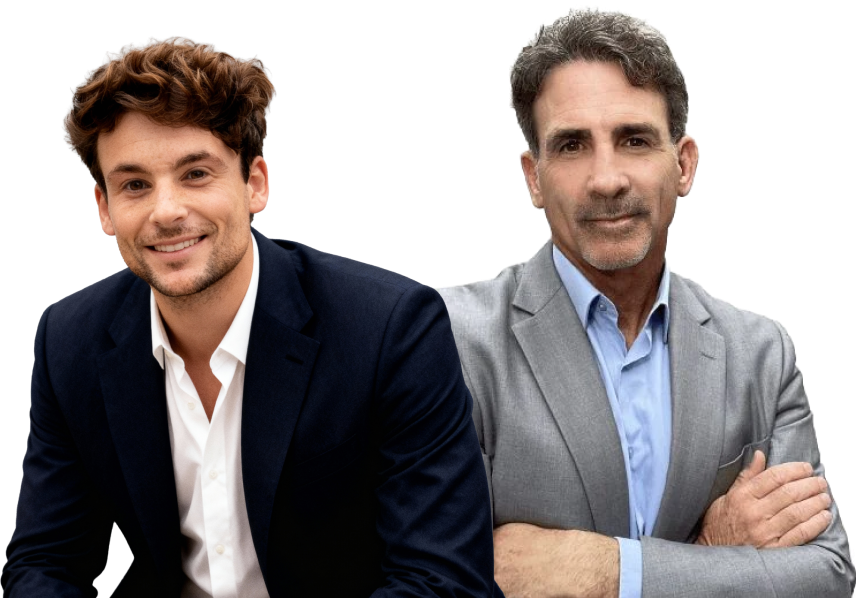
Our managing partner, Nicholas E. Cohen, oversees the firm’s operations and represents clients in serious-injury matters across Southern California. He earned his undergraduate degree at USC before completing his Juris Doctor at Loyola Law School. His blend of legal advocacy and business judgment proves especially useful when valuing claims against corporate defendants with sophisticated insurance defense teams.
Our founder, Wayne R. Cohen, is counted among the country’s leading personal injury trial attorneys. He has been cited as a legal commentator in Newsweek, Fortune, the LA Times, and the ABA Journal on subjects including self-driving vehicle liability, arbitration policy, and the work of personal injury practitioners. He graduated cum laude from the Miami School of Law following his undergraduate education at the University of Michigan with distinction. His teaching appointment at the George Washington Law School complements more than three decades of trial practice.
Rideshare cases reward immediate documentation of the coverage circumstances. Our firm preserves trip records, secures app-status evidence before retention periods expire, identifies the applicable insurance layer, and presents the claim to the right carrier with the right supporting documentation. Our attorneys understand how Uber, Lyft, and their insurers approach these cases, and we structure each demand to meet those expectations head-on. As a personal injury lawyer in Inglewood, CA, we treat rideshare claims with the rigor that corporate defendants require.
Our firm handles rideshare accident matters on a contingency basis. The first consultation is offered at no charge, and the client owes attorney fees only when we obtain a recovery on the matter.
Understanding Rideshare Accident Cases
Damages, Liability, and Compensation for Rideshare Accident Cases
Injuries from rideshare crashes range from minor soft-tissue strains to catastrophic and fatal outcomes. Compensable damages span the full spectrum of personal injury recovery categories.
- Hospital, surgical, and follow-up medical care, including specialist treatment and rehabilitation
- Physical therapy, occupational therapy, and assistive devices needed during recovery
- Lost income, missed work, and diminished earning capacity in cases involving permanent impairment
- Pain and suffering, reduced quality of life, and ongoing physical limitation
- Emotional distress and psychological consequences associated with the crash
- Property losses, including vehicle damage and personal items affected
- Wrongful death damages for surviving family members in fatal cases
California applies pure comparative fault, which permits a partially responsible party to recover a reduced amount. A party assigned thirty percent of the fault is entitled to seventy percent of the proven damages. Liability may rest with the rideshare driver alone, with a third-party driver, with both, or in some circumstances with the rideshare company itself when claims involve company policies, training, or driver oversight.
What Are Some Important Aspects of Your Rideshare Accident Case?
Several considerations shape the early development of a rideshare claim and warrant attention immediately after the crash.
- Preserve everything related to the rideshare trip. Screenshots of the ride request, driver information, route, and trip receipt are valuable evidence that becomes harder to obtain over time.
- Seek medical evaluation promptly. The medical record establishes the connection between the crash and the injury, and a clear treatment history is essential to a successful claim involving rideshare driver liability.
- Report the crash through the rideshare app and obtain a copy of any report generated. Both Uber and Lyft maintain incident reporting processes that produce documentation useful in the claim.
- Decline recorded statements with any insurance representative until counsel reviews the request. Multiple insurers commonly approach the injured party when Uber and Lyft liability questions remain open, and early statements can prejudice the claim.
- Document developing injuries through ongoing medical care and a personal record of symptoms, limitations, and missed activities.
Rideshare Accident Case Timeline
Rideshare claims follow the general structure of California personal injury matters, with timing influenced by the complexity of coverage determination and the severity of injuries.
- Medical treatment continues until the injured party reaches maximum medical improvement, the point where further recovery is not anticipated.
- Counsel determines the applicable coverage period, preserves trip data, and gathers medical and employment documentation.
- A demand is presented to the carrier providing coverage for the relevant period, with supporting documentation.
- The carrier evaluates the demand and responds. Rideshare carriers typically request extensive documentation, and negotiations may take longer than ordinary motor vehicle claims.
- When negotiation does not produce a reasonable resolution, counsel files suit. Discovery, depositions, and mediation usually follow.
- Most rideshare matters resolve before trial, though a fraction proceed to verdict.
Cases with clear coverage and moderate injuries can resolve within twelve to eighteen months. Catastrophic-injury and disputed-coverage matters often extend two years or more.
What Should You Bring to Your Rideshare Accident Consultation?
Bringing the items below to the initial meeting allows our attorneys to evaluate the claim comprehensively.
- The traffic collision report, if one has been issued
- Screenshots of the ride request, driver profile, trip route, and receipt
- Photographs of the scene, the vehicles, and any visible injuries
- Insurance information for everyone involved
- Medical records and bills received to date
- Any communication with the rideshare company about the incident
Consultations are free, and our office typically responds within one business day.
What Are Some Important California Legal Resources for Rideshare Accidents?
California regulates rideshare companies through specific statutes and a dedicated regulatory commission. The resources below identify the principal references that apply to a rideshare claim.
- The California statute of limitations generally gives injured parties two years from the date of the rideshare crash to bring a personal injury claim.
- California negligence law allows recovery when a driver, rideshare company, or other party fails to exercise reasonable care and causes harm.
- Comparative fault reduces a recovery in proportion to the party’s share of fault, but does not bar recovery.
- The California Courts Self-Help Guide explains civil procedure and trial process in plain language.
- The California Public Utilities Commission regulates Uber, Lyft, and other transportation network companies under state law and publishes the rules that govern their operation.
- The California Insurance Code establishes the minimum coverage requirements that apply to transportation network company drivers and operators.
Reach Out to Cohen Injury Law Group to Schedule a Consultation
Cohen Injury Law Group has represented auto accident victims for more than three decades, and we apply that same trial-ready preparation to rideshare matters. Initial consultations are free, and our firm works on contingency, so attorney fees are owed only when we obtain a recovery. During the consultation, our attorneys will review the facts, identify the applicable coverage, and explain the likely range of damages. Contact our firm to begin the conversation today.
Office Locations
-
 Santa Monica
2636 Lincoln Blvd
Santa Monica, CA 90405 -
Santa Monica – Broadway
520 Broadway, 2nd Floor
Santa Monica, CA 90401 -
Los Angeles
633 W 5th St, Unit 2876A
Los Angeles, CA 90071 -
Ventura
394 E Main St, Suite 302
Ventura, CA 93001
