
When most people think about the costs of a personal injury, their minds go straight to hospital bills, surgery costs, and follow-up appointments. While these expenses are significant, they’re only the tip of the iceberg. The financial, emotional, and lifestyle impacts of an injury often reach far deeper — affecting not just your bank account, but your relationships, career, mental health, and quality of life for years to come.
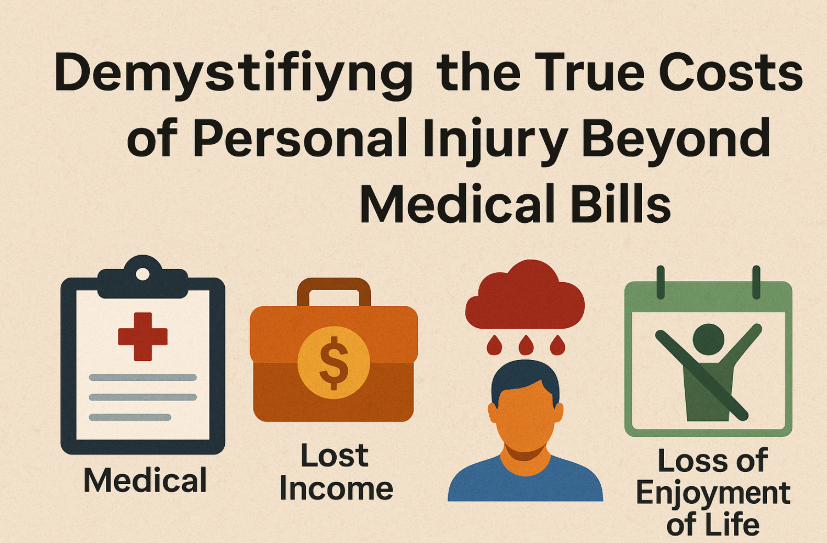
At Cohen Injury Law Group in Santa Monica, we’ve seen firsthand how clients are often blindsided by the long-term consequences of an accident. Understanding these hidden costs is essential if you want to protect your rights, seek fair compensation, and avoid settling for less than you truly need. We’ll break down the true costs of personal injury — going far beyond medical bills — and explain why they matter so much in your legal case.
The Economic Costs You Don’t See Coming
Lost Wages and Reduced Earning Capacity
After an accident, many people face days, weeks, or even months away from work. For hourly employees or self-employed workers, every day without income can be a financial blow. But the damage doesn’t stop there. Some injuries prevent you from ever returning to the same line of work — especially if your job involves physical labor or specialized skills.
Example:
A construction worker who suffers a severe back injury may be unable to return to the job site, forcing them into a lower-paying position. This isn’t just about lost wages during recovery — it’s about the lifetime difference in earning capacity.
Career Advancement Delays
Even if you eventually return to work, extended absence can mean missed promotions, lost seniority, or a diminished role within your company. These setbacks can quietly erode your financial stability over time.
Out-of-Pocket Expenses
Beyond hospital invoices, many victims pay for:
- Medical devices (crutches, wheelchairs, braces)
- Home modifications (ramps, wider doorways)
- Transportation to appointments (rideshares, taxis, public transit)
- Over-the-counter medication and supplements
- Childcare while you attend medical visits
These costs often go overlooked when calculating damages — yet they can add up quickly.
The Emotional and Psychological Toll
Post-Traumatic Stress Disorder (PTSD)
Serious accidents can trigger PTSD, leaving victims with flashbacks, anxiety, and avoidance behaviors. This can interfere with daily life, relationships, and even the ability to drive or work in certain environments.
Why It Matters in Legal Cases:
PTSD treatment involves therapy, medication, and long-term support — expenses that should be included in your compensation.
Depression and Anxiety
Lingering pain, mobility limitations, and financial stress can lead to depression or anxiety disorders. These mental health challenges are not only debilitating but can also require ongoing treatment.
Loss of Enjoyment of Life
You may no longer be able to engage in hobbies, sports, or social activities you once loved. For many clients, this emotional loss is one of the hardest parts of recovery — and it deserves recognition in a legal claim.
Impact on Family and Relationships
Strain on Marriages and Partnerships
Physical injuries and emotional stress can test even the strongest relationships. Partners may need to take on caregiving roles, face financial pressures, or cope with changes in intimacy and communication.
Impact on Children
When a parent is injured, children may feel the emotional effects — worrying about their parent’s health, taking on more household responsibilities, or even dealing with reduced family income.
Loss of Consortium
In legal terms, “loss of consortium” refers to the loss of companionship, affection, and support that a spouse or partner experiences due to the injured person’s condition. This is a recognized category of damages in many personal injury cases.
The Hidden Costs of Long-Term or Permanent Disability
Home Modifications
If your injury results in a permanent disability, you may need to renovate your living space. This could include installing wheelchair ramps, stairlifts, walk-in showers, or adaptive technology.
Ongoing Medical Care
Chronic injuries may require:
- Regular physical therapy
- Pain management programs
- Specialist visits
- Assistive devices that must be replaced periodically
These recurring costs can extend decades into the future.
Personal Assistance
You may need to hire in-home caregivers, cleaning services, or personal aides to help with daily tasks — expenses that most people don’t anticipate until they become necessary.
Educational and Retraining Expenses
If you can’t return to your previous career, you may need to retrain for a new one. This could mean enrolling in college courses, vocational training, or certification programs — all of which come with tuition costs, supplies, and the time commitment of starting over in a new field.
Damage to Property and Personal Assets
In many accidents — particularly vehicle collisions — the damage isn’t just to your body. You may also face repair or replacement costs for:
- Your car or bike
- Work equipment (laptops, tools)
- Personal items (glasses, phones, clothing) damaged in the incident
While these aren’t typically the largest part of a claim, they still represent real losses that should be documented.
The Ripple Effect of Debt
Even with insurance, many injury victims face mounting bills. High-interest credit card debt, loans from friends or family, and unpaid rent or mortgage payments can create a cycle of financial hardship that lasts long after the injury heals.
Example:
A client who couldn’t work for six months might have relied on credit cards to cover basic expenses. By the time they return to work, they face thousands of dollars in debt — plus interest — making financial recovery even harder.
Social Stigma and Isolation
Stigma Around Visible Injuries
People with visible scars, amputations, or mobility aids sometimes face discrimination in hiring, housing, and social settings.
Self-Isolation
Chronic pain or embarrassment over an injury may cause victims to withdraw from social life, which can worsen mental health and delay recovery.
How Insurance Companies Undervalue These Costs
Insurance adjusters often focus on hard numbers — like hospital bills — while ignoring the less tangible costs of an injury. They may downplay:
- Emotional distress
- Lost opportunities
- Long-term care needs
- The true cost of reduced earning capacity
That’s why it’s essential to work with a law firm that understands how to document and argue for all of your damages.
Proving the Full Extent of Your Losses
At Cohen Injury Law Group, we help clients build comprehensive claims by:
- Gathering medical records and expert opinions on future care needs
- Documenting lost income and career impact with the help of economists and vocational experts
- Collecting testimony from family, friends, and colleagues to illustrate lifestyle changes
- Using psychological evaluations to support claims for emotional distress
The goal is to paint a complete picture — so the court or insurance company sees the real cost of your injury.
Real-World Examples of Hidden Costs
Case Study 1: The Weekend Athlete
A Santa Monica resident in his late 30s suffered a knee injury in a pedestrian accident. The medical bills totaled about $40,000 — but the real financial impact was far greater:
- He missed eight months of work as a personal trainer.
- He could no longer compete in local surf competitions, which had been a side income.
- He needed ongoing physical therapy for years.
- His depression worsened due to the loss of his active lifestyle.
Without accounting for these factors, a settlement offer would have been drastically inadequate.
Case Study 2: The Small Business Owner
A local café owner broke her wrist in a bicycle crash caused by a distracted driver. While surgery and rehab cost around $20,000, the injury’s ripple effects included:
- Hiring temporary help to run the café ($25,000)
- Canceling a planned expansion due to lost revenue
- Reduced ability to create latte art — which had been a marketing draw
- Long-term pain that slowed daily operations
Again, the true cost went far beyond the hospital bills.
Why You Shouldn’t Settle Too Quickly
Insurance companies often offer a quick settlement in the weeks following an accident — long before you know the full extent of your injuries or how they’ll affect your life. Accepting too soon can leave you paying out-of-pocket for expenses you didn’t anticipate.
Key Tip:
Always consult with an attorney before agreeing to a settlement. A lawyer can help you project future costs and ensure your claim includes all categories of damages you’re entitled to under California law.
Steps to Protect Yourself After an Injury
-
Document Everything
Keep detailed records of all expenses, including small out-of-pocket costs, lost work hours, and receipts for transportation or home modifications. -
Track Your Symptoms
Maintain a daily journal noting your pain levels, emotional state, and physical limitations. This can be powerful evidence in your case. -
Seek Psychological Support
Emotional recovery is just as important as physical healing. Counseling records can also strengthen claims for non-economic damages. -
Work with the Right Experts
Your attorney should coordinate with medical professionals, vocational experts, and economists to fully calculate your losses.
Your Case Is Worth More Than the Bills in Your Hand
Personal injury cases aren’t just about paying off your hospital tab. They’re about restoring your life — or as much of it as possible — after it’s been disrupted by someone else’s negligence.
At Cohen Injury Law Group, we believe that justice means recognizing the full scope of what you’ve lost: your income, your opportunities, your independence, your mental health, and your enjoyment of life. These costs are real, and they deserve to be compensated.
If you’ve been injured in Santa Monica, don’t underestimate the value of your case. Contact us for a free consultation, and let’s talk about how we can help you recover not just your bills, but your future.