
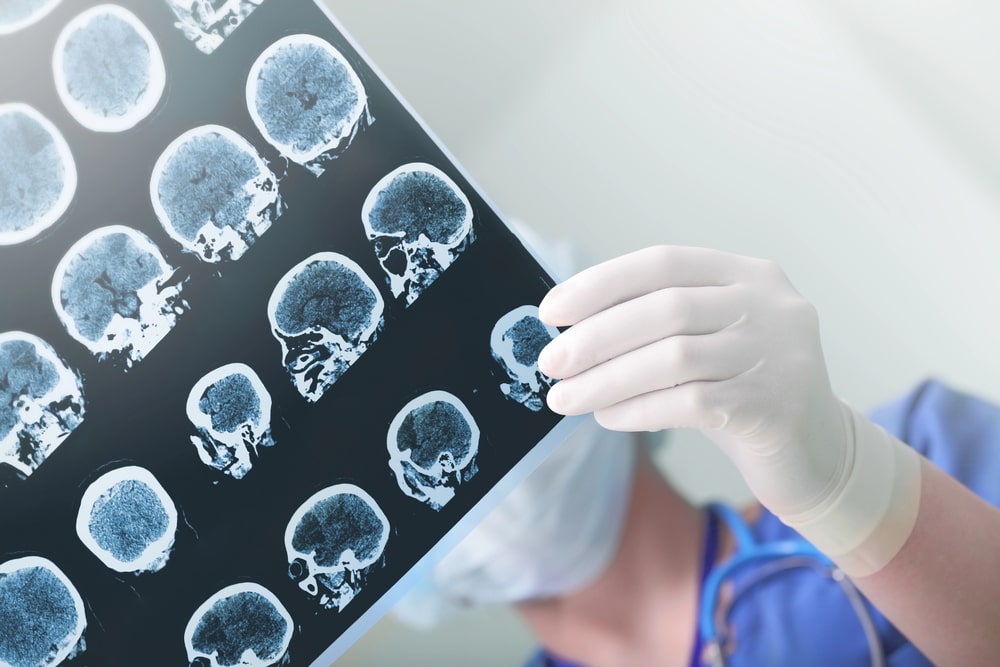
Brain Injury Lawyer Los Angeles, CA
A traumatic brain injury changes everything. Your ability to think, to remember, to concentrate, to control your emotions—the things that make you who you are. Even a “mild” concussion can leave you struggling for months. Severe TBIs can mean a lifetime of cognitive impairment, personality changes, and dependence on others.
Insurance companies don’t understand brain injuries. They see someone who looks fine and assume they are fine. They minimize claims for injuries they can’t see on an X-ray. They offer settlements that cover a few months of treatment when the victim needs a lifetime of care.
Brain injury cases require specialized legal and medical expertise. You need attorneys who understand neurological evaluations, who work with the right experts, and who know how to prove invisible injuries to juries.
Cohen Injury Law Group represents traumatic brain injury victims throughout Los Angeles County. As a Los Angeles personal injury law firm with decades of experience, we understand the medical complexity and long-term implications of brain injuries. Wayne R. Cohen has tried cases for more than three decades. He knows how to build TBI claims that capture the full scope of damages—not just today’s medical bills, but a lifetime of losses.
We work on contingency. You pay nothing unless we recover compensation. If you need a Los Angeles brain injury lawyer, call us for a free consultation.
Understanding Traumatic Brain Injury
The brain is the body’s command center. When it’s damaged, the effects ripple through every aspect of life. The Centers for Disease Control and Prevention defines TBI as a disruption in normal brain function caused by a bump, blow, jolt to the head, or penetrating head injury.
TBIs are classified by severity:
Mild TBI (Concussion). Loss of consciousness for less than 30 minutes (or no loss of consciousness), confusion or disorientation, and post-traumatic amnesia lasting less than 24 hours. “Mild” is a medical classification—not a description of impact on your life. Many mild TBI victims experience symptoms for months or years.
Moderate TBI. Loss of consciousness for 30 minutes to 24 hours, post-traumatic amnesia lasting 1 to 7 days. Often involves structural brain damage visible on imaging. Recovery is possible but typically incomplete.
Severe TBI. Loss of consciousness exceeding 24 hours, post-traumatic amnesia lasting more than 7 days. Significant structural damage. Survivors often face permanent cognitive, physical, and behavioral impairments.
The Glasgow Coma Scale (GCS) is the standard assessment tool. Scores range from 3 (deep coma) to 15 (fully alert). Mild TBI scores 13-15, moderate TBI scores 9-12, and severe TBI scores 3-8.
But initial severity doesn’t always predict outcomes. Some people with “mild” TBIs on paper suffer devastating long-term effects. Others with moderate injuries recover better than expected. This unpredictability complicates both treatment and legal claims.
The Challenge Of Invisible Injuries
Brain injuries are uniquely difficult to prove because the damage often doesn’t show. A broken bone appears on an X-ray. A brain injury may look normal on a CT scan while the victim struggles to remember their children’s names.
This creates problems at every stage:
Medical diagnosis. Standard CT and MRI scans often show nothing abnormal in mild to moderate TBIs. The damage occurs at the cellular level—stretched and torn axons, disrupted neural connections. Advanced imaging like DTI (diffusion tensor imaging) can reveal damage that conventional scans miss, but not all medical providers use it.
Insurance evaluation. Adjusters look for objective evidence. When imaging is “normal,” they question whether the injury exists at all. They point to the lack of visible damage to minimize claims.
Jury perception. Jurors expect to see dramatic evidence. A TBI victim who walks into court looking healthy faces skepticism. “You seem fine to me” is a dangerous attitude that undervalues catastrophic injuries.
A Los Angeles brain injury attorney understands these challenges. We work with neurologists, neuropsychologists, and neuroradiologists who can document injuries that don’t appear on standard scans. We present evidence that makes invisible injuries visible to adjusters and juries.
Types Of Traumatic Brain Injuries
Brain injuries take different forms depending on the mechanism of injury:
- Concussions. The most common TBI. The brain moves within the skull, stretching and damaging neural connections. Symptoms include headaches, dizziness, confusion, memory problems, and sensitivity to light and sound. Most concussions resolve within weeks, but some cause persistent post-concussion syndrome lasting months or years.
- Contusions. Bruising of brain tissue, usually from direct impact. Contusions can occur at the impact site (coup injury) or on the opposite side of the brain (contrecoup injury) as the brain rebounds within the skull.
- Diffuse axonal injury (DAI). Widespread damage to the brain’s white matter from rotational forces. Common in car accidents where the head rotates rapidly. DAI often doesn’t show on CT scans but causes severe impairment. Among the most serious TBIs.
- Penetrating injuries. Objects penetrate the skull and enter brain tissue. Gunshot wounds, construction accidents, falls onto sharp objects. Damage depends on the path and what brain structures are affected.
- Coup-contrecoup injuries. Damage at both the impact site and the opposite side of the brain. The brain hits one side of the skull, rebounds, and hits the other side. Common in falls and vehicle accidents.
- Hypoxic/anoxic brain injury. Brain damage from oxygen deprivation rather than trauma. Near-drowning, cardiac arrest, anesthesia errors. Different mechanism but similar devastating effects.
- Second impact syndrome. A second concussion before the first has healed causes rapid, severe brain swelling. Often fatal or catastrophic. Particularly concerning in sports-related cases.
Symptoms And Long-Term Effects Of Brain Injury
Brain injury symptoms vary widely based on injury location and severity:
Cognitive effects:
- Memory problems (short-term and long-term)
- Difficulty concentrating and maintaining attention
- Slowed processing speed
- Problems with planning, organization, and decision-making
- Difficulty learning new information
- Language problems—finding words, understanding speech
Physical effects:
- Persistent headaches
- Dizziness and balance problems
- Fatigue that doesn’t improve with rest
- Sleep disturbances
- Sensitivity to light and sound
- Vision problems
- Seizures
- Motor impairments
Emotional and behavioral effects:
- Depression and anxiety
- Irritability and mood swings
- Personality changes
- Impulsivity
- Social difficulties
- Loss of motivation
The National Institute of Neurological Disorders and Stroke provides comprehensive information on TBI effects and recovery.
Long-term consequences can include:
- Increased risk of neurodegenerative diseases including Alzheimer’s and Parkinson’s
- Chronic traumatic encephalopathy (CTE) from repeated head trauma
- Permanent cognitive impairment
- Inability to work in previous occupation
- Relationship breakdown
- Depression and increased suicide risk
Common Causes Of Brain Injuries In Los Angeles
Brain injuries result from many types of accidents. A brain injury lawyer in Los Angeles handles cases involving:
- Motor vehicle accidents. Car crashes, motorcycle accidents, truck collisions, pedestrian accidents. The forces involved in vehicle accidents cause the brain to impact the skull or rotate violently within it. Vehicle accidents are the leading cause of TBI-related hospitalizations.
- Falls. Slip and falls, falls from heights, falls on stairs. Falls are the leading cause of TBI overall, particularly among older adults and young children. The CDC reports falls cause nearly half of all TBI-related emergency room visits.
- Assaults. Violent attacks causing head trauma. Blunt force trauma, gunshot wounds. Assault victims face both criminal and civil legal processes.
- Sports and recreation injuries. Football, soccer, boxing, cycling, skateboarding, skiing. Contact sports cause concussions that may lead to long-term damage. Recreation accidents on LA’s beaches, trails, and sports facilities cause significant head injuries.
- Construction accidents. Falls from scaffolds and ladders, struck-by accidents, equipment failures. Construction workers face elevated TBI risk. Workers’ compensation and third-party claims may both apply.
- Bicycle accidents. Cyclists thrown from bikes, struck by vehicles, impacting pavement. Helmets reduce but don’t eliminate brain injury risk.
- Motorcycle accidents. Even helmeted riders suffer TBIs. The forces in motorcycle crashes exceed what helmets can fully absorb.
- Premises liability incidents. Falling objects, defective conditions causing falls, inadequate security leading to assaults.
- Medical malpractice. Anesthesia errors, surgical mistakes, failure to diagnose stroke or aneurysm, birth injuries causing infant brain damage.
Why Brain Injury Cases Require Specialized Expertise
Brain injury claims differ from other personal injury cases in critical ways:
Complex medical evidence. Understanding TBI requires familiarity with neurology, neuropsychology, neuroradiology, and rehabilitation medicine. Your attorney must speak this language to work effectively with experts and present evidence persuasively.
Long-term prognosis uncertainty. Brain injuries evolve. Symptoms may improve, plateau, or worsen over time. Some effects don’t emerge until months or years after injury. Settling before understanding long-term prognosis can leave victims without resources when they need them most.
Life care planning. Severe TBI victims need lifetime care—medical treatment, rehabilitation, attendant care, assistive technology, home modifications. Calculating these future costs requires specialized life care planners who understand TBI.
Economic damages complexity. Lost earning capacity for a 30-year-old with a TBI potentially spans decades. Vocational experts, economists, and actuaries help calculate these losses.
Proving causation. Insurance companies argue that cognitive problems preceded the accident, or result from depression rather than brain injury, or would have developed anyway due to aging. Establishing that the accident caused the impairment requires careful medical documentation.
Overcoming bias. Juries are skeptical of injuries they can’t see. Brain injury attorneys know how to present evidence that makes the invisible visible—neuropsychological testing, advanced imaging, day-in-the-life videos, testimony from family members who’ve watched their loved one change.
Damages In Brain Injury Cases
Brain injury victims can recover substantial compensation reflecting the injury’s true impact:
Medical expenses. Emergency care, hospitalization, surgery, neurological treatment, rehabilitation, medications, therapy. TBI treatment is expensive. Future medical costs often exceed past costs by orders of magnitude—brain injuries require ongoing care for years or decades.
Rehabilitation costs. Physical therapy, occupational therapy, speech therapy, cognitive rehabilitation. TBI rehabilitation is intensive and long-term.
Lost income. Wages lost during recovery. For many TBI victims, this is just the beginning.
Lost earning capacity. If the injury prevents returning to your previous occupation—or any occupation—the lost lifetime earnings can be enormous. A professional in their 30s with a severe TBI may lose millions in future income.
Life care costs. Attendant care, assisted living, home modifications, medical equipment, transportation, case management. Severe TBI victims may need 24-hour care for life. These costs are calculated by life care planning experts.
Pain and suffering. Physical pain, emotional distress, loss of enjoyment of life. The California Civil Jury Instructions guide how juries calculate these damages. California has no cap on pain and suffering in most brain injury cases.
Loss of consortium. Spouses can recover for the loss of companionship, affection, and marital relationship when a partner suffers TBI.
Wrongful death. When TBI is fatal, families recover funeral costs, lost financial support, and loss of companionship.
Punitive damages. In cases involving drunk driving, intentional violence, or egregious negligence, punitive damages may apply.
What To Do After A Head Injury
Protecting your health and your legal rights requires prompt action:
Immediate Steps
- Seek emergency medical care for any head injury. Don’t “wait and see.” TBI symptoms can be subtle initially but worsen rapidly. Internal bleeding and brain swelling can be fatal without treatment.
- Describe all symptoms to medical providers. Headache, dizziness, confusion, memory gaps, nausea, vision problems, mood changes—report everything. These contemporaneous records matter for your claim.
- Follow all medical instructions. Don’t return to work or normal activities until cleared. Second impacts before healing dramatically worsen outcomes.
- Document everything. Keep records of symptoms, limitations, and how the injury affects daily life. A symptom journal can be powerful evidence.
Building Your Case
- Get neurological evaluation. Emergency rooms stabilize patients but don’t always fully evaluate TBI. See a neurologist for comprehensive assessment.
- Request advanced imaging if appropriate. DTI, fMRI, and other specialized imaging can reveal damage that CT and standard MRI miss.
- Undergo neuropsychological testing. Standardized tests document cognitive deficits objectively. This testing is often crucial for proving TBI claims.
- Don’t give recorded statements to insurance companies. TBI affects memory and cognitive function. Statements made while impaired can be used against you.
- Contact a brain injury lawyer. Early involvement helps preserve evidence, arrange appropriate medical evaluation, and avoid mistakes that damage claims.
Frequently Asked Questions About Los Angeles Brain Injury Claims
How Do I Prove A Brain Injury If My Ct Scan Was Normal?
Normal CT scans don’t rule out TBI. CT scans detect bleeding and major structural damage but miss the microscopic axonal injuries that cause many TBI symptoms. Neuropsychological testing, advanced imaging (DTI, fMRI), symptom documentation, and expert testimony establish brain injury even with normal conventional imaging.
What If The Insurance Company Says My Symptoms Are Psychological, Not Neurological?
Insurance companies routinely attribute TBI symptoms to depression or anxiety rather than brain injury. A brain injury attorney works with neuropsychologists who can distinguish organic brain injury from psychological conditions—and document that even psychological symptoms often result from the underlying brain injury.
How Long After A Head Injury Can Symptoms Appear?
Some symptoms appear immediately. Others emerge days, weeks, or even months later. Cognitive and emotional symptoms may not be apparent until the victim returns to work or other demanding activities. Delayed symptom onset is common and doesn’t indicate the symptoms are unrelated to the injury.
What Is Post-concussion Syndrome?
A condition where concussion symptoms persist for weeks, months, or years after injury. Symptoms include headaches, dizziness, fatigue, concentration problems, memory issues, and mood changes. The medical community increasingly recognizes that “mild” TBI can cause lasting impairment.
Can I Recover Compensation If I Wasn’t Wearing A Helmet?
Yes. Not wearing a helmet (where not legally required) may affect damages for head injuries specifically, but doesn’t eliminate the other party’s liability for causing the accident. California’s comparative negligence system under Civil Code Section 1714 allows recovery even if you share some fault.
How Is A Brain Injury Case Valued?
Based on injury severity, long-term prognosis, medical costs (past and future), lost income and earning capacity, life care needs, pain and suffering, and impact on quality of life. Mild TBI cases may settle for $100,000-$500,000. Severe TBI cases with lifetime care needs can be worth millions. A qualified Los Angeles auto accident lawyer handling brain injuries can assess your specific situation.
Should I Settle My Brain Injury Case Quickly?
Almost never. Brain injury prognosis takes time to become clear. Settling before you understand long-term effects often means settling for far less than the case is worth. Insurance companies prefer quick settlements precisely because they know this.
What Is A Life Care Plan?
A comprehensive assessment of future medical, rehabilitation, and care needs prepared by a life care planner. It projects lifetime costs for treatment, therapy, attendant care, equipment, home modifications, and other needs. Life care plans are essential for valuing severe TBI cases.
What Experts Are Used In Brain Injury Cases?
Neurologists, neuropsychologists, neuroradiologists, physiatrists (rehabilitation medicine), life care planners, vocational rehabilitation experts, economists. Complex TBI cases require multiple experts to document the injury and its impacts fully.
How Long Do I Have To File A Brain Injury Lawsuit?
Two years from the injury under California Code of Civil Procedure Section 335.1. Claims against government entities require administrative claims within six months under the California Government Claims Act. However, brain injury symptoms may not be fully apparent within these timeframes—consult an attorney promptly.
What If My Loved One Suffered A Brain Injury And Can’t Manage Their Own Case?
Family members may need to establish conservatorship to make legal and medical decisions for severely impaired TBI victims. Settlements for incapacitated adults require court approval. A brain injury attorney guides families through these processes.
Can Children Recover From Brain Injuries?
Children’s brains are both more vulnerable and more plastic than adult brains. Some children recover remarkably; others face lifelong impairment. The full extent of pediatric TBI often doesn’t become clear until the child reaches developmental milestones they fail to meet. Cases involving minors require court approval of settlements. The California Courts Self-Help Guide provides information on the process.
What If A Brain Injury Results In Death?
Families can pursue wrongful death claims for funeral expenses, lost income, and loss of companionship. A separate survival action can recover damages the victim would have been entitled to before death.
Do I Need A Lawyer For A Brain Injury Claim?
Brain injury cases are too complex to handle alone. Medical evidence requirements, long-term prognosis issues, life care planning, and jury skepticism of invisible injuries create challenges that require specialized expertise. Insurance companies aggressively defend these high-value claims. A brain injury lawyer levels the playing field.
How Long Will My Case Take?
Brain injury cases take longer than typical personal injury claims because prognosis takes time to determine. Settling too quickly risks undervaluation. Most cases resolve in 1-3 years. Cases involving severe injuries requiring life care planning may take longer.
Brain Injury Statistics
The scope of the TBI problem:
From the CDC:
- Approximately 2.8 million TBI-related emergency department visits annually
- Approximately 282,000 TBI-related hospitalizations annually
- Approximately 56,000 TBI-related deaths annually
- Falls are the leading cause of TBI (48%)
- Motor vehicle accidents are the leading cause of TBI-related deaths
- TBI contributes to about 30% of all injury deaths
From the Brain Injury Association of America:
- At least 5.3 million Americans live with TBI-related disability
- Males are more likely to sustain TBI than females
- The highest rates occur in children 0-4, adolescents 15-19, and adults 65+
The National Institute of Neurological Disorders and Stroke provides additional research and resources on TBI treatment and outcomes.
Why Hire Cohen Injury Law Group For Your Los Angeles Brain Injury Case?
We understand brain injuries. TBI claims require specialized medical and legal knowledge. We work with neurologists, neuropsychologists, and life care planners who document injuries thoroughly.
We prove invisible injuries. Adjusters and juries are skeptical of what they can’t see. We present evidence that makes brain injuries visible—advanced imaging, neuropsychological testing, expert testimony, day-in-the-life documentation.
We calculate lifetime damages. Brain injuries require lifetime compensation, not just current medical bills. We work with life care planners and economists to capture the full scope of damages.
We don’t rush settlements. Brain injury prognosis takes time. We advise clients on when to settle—and when waiting serves their long-term interests.
Trial experience. Insurance companies know which brain injury attorneys will actually try cases. Wayne R. Cohen has tried cases for over three decades. That reputation affects settlement negotiations.
No fee unless we win. Contingency only. We advance all costs, including expert fees.
What our clients say:
⭐⭐⭐⭐⭐ “Mr. Cohen was not only incredibly knowledgeable, but very personable. I was surprised at how he really listened and considered every aspect of my situation with understanding as if it were his own. He never made me feel like my questions were wasting his time, and I found this refreshing compared to other lawyers I reached out to. I never felt rushed. I highly recommend reaching out if you need your case handled with experience and understanding.”
Schedule A Free Consultation With A Los Angeles Brain Injury Attorney
If you or a loved one suffered a traumatic brain injury in Los Angeles County, we’ll evaluate your case for free. You pay nothing unless we recover compensation.
Brain injury cases are complex and high-stakes. The insurance company will minimize your injury and your claim. You need attorneys who understand TBI and know how to prove its full impact.
Contact our Los Angeles brain injury lawyers today for a free consultation.